Our solutions to make your house a home
At Daikin, we believe that a house becomes a home through comfort, care, and the joy of shared moments. Our advanced residential solutions, from air-to-air and air-to-water heat pumps to air purification and residential ventilation, are designed to enhance your living experience.

Replace or enhance your existing central heating system with a heat pump, a sustainable heating system designed to heat, cool and provide domestic hot water for your house
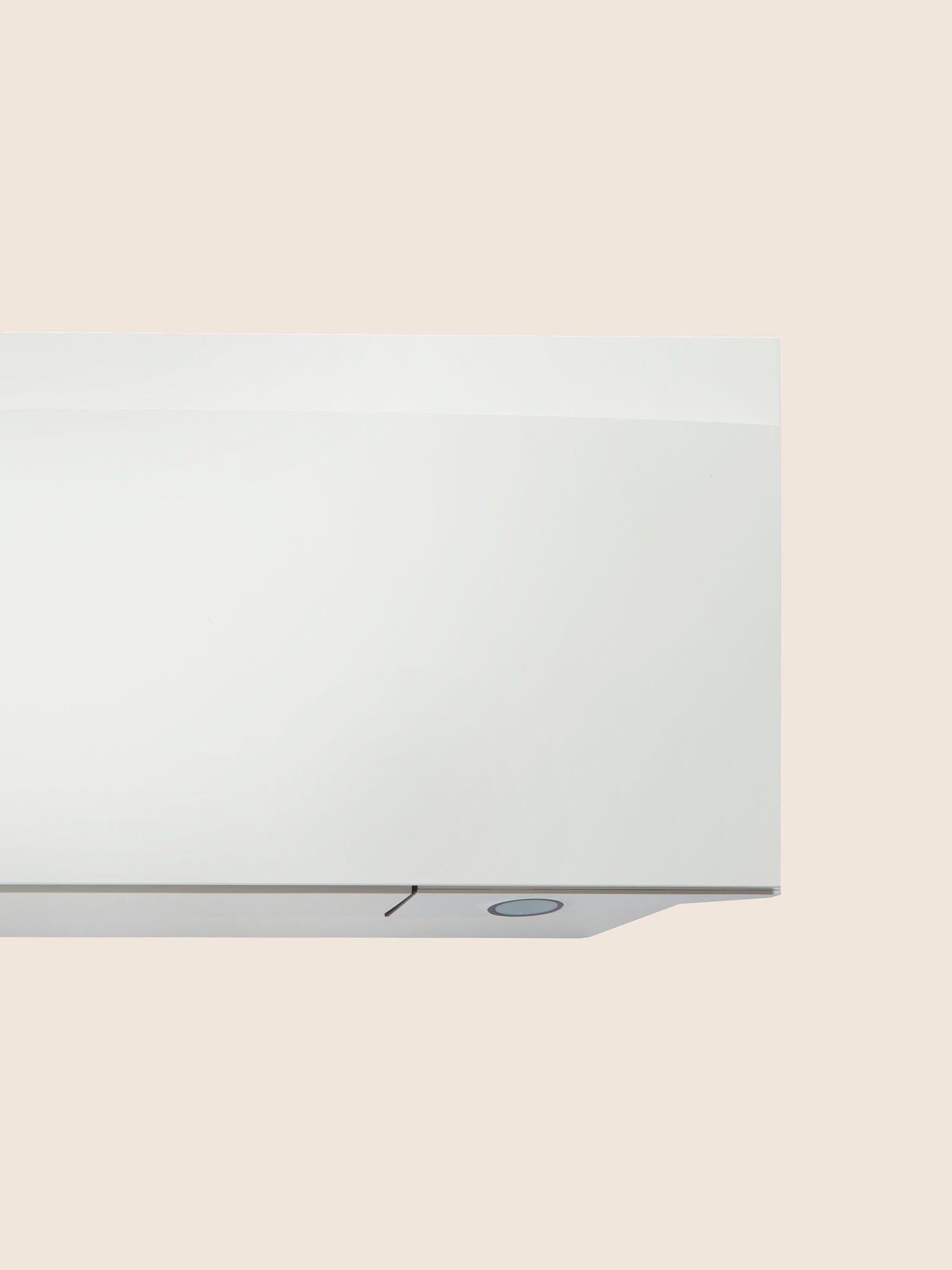
Get year-round comfort at home with advanced, efficient heating and cooling technology. Adding a tank will give you domestic hot water too.
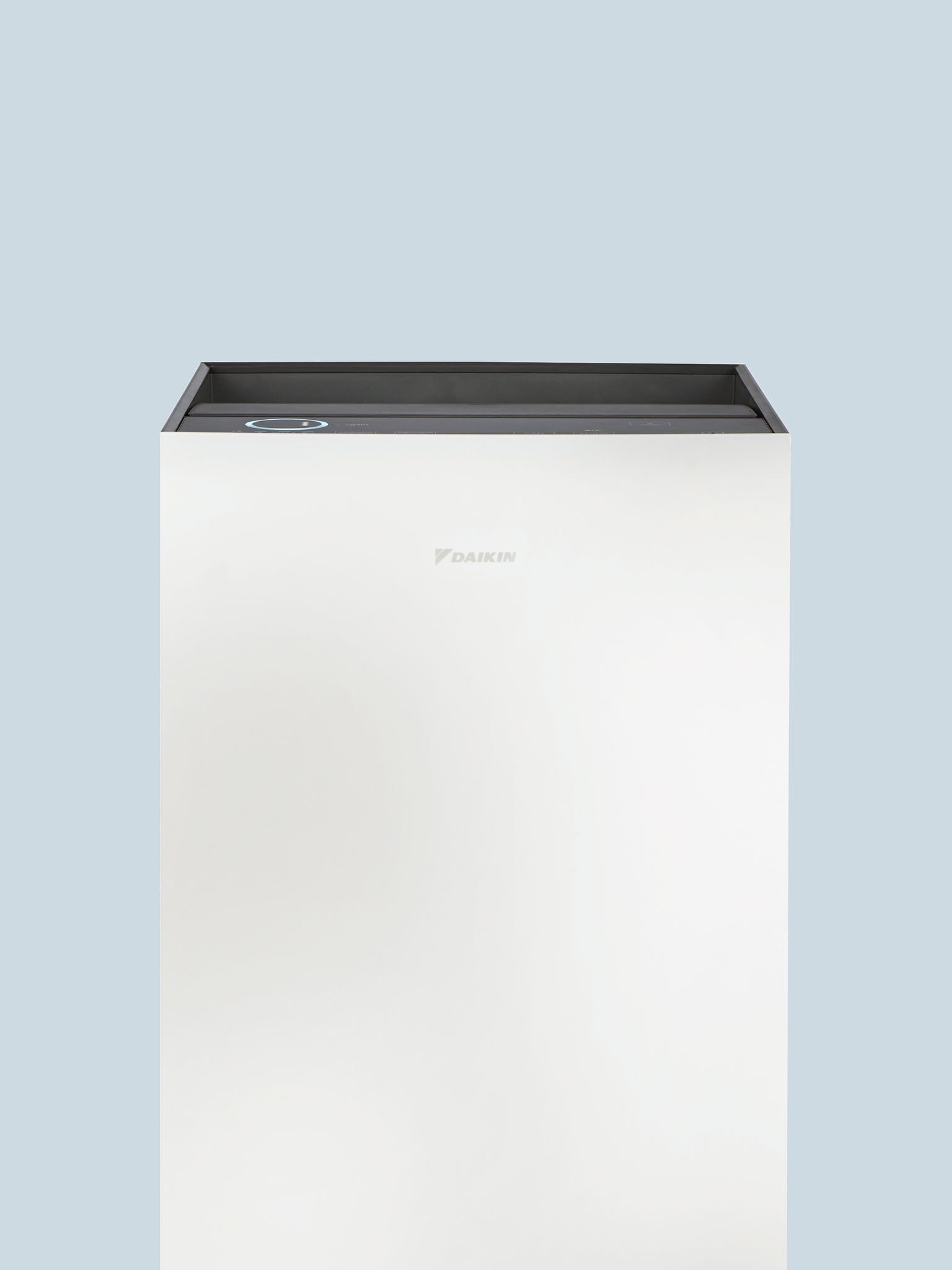
Clean and refresh the air, creating a healthy home for you and your family with our range of innovative air purifiers
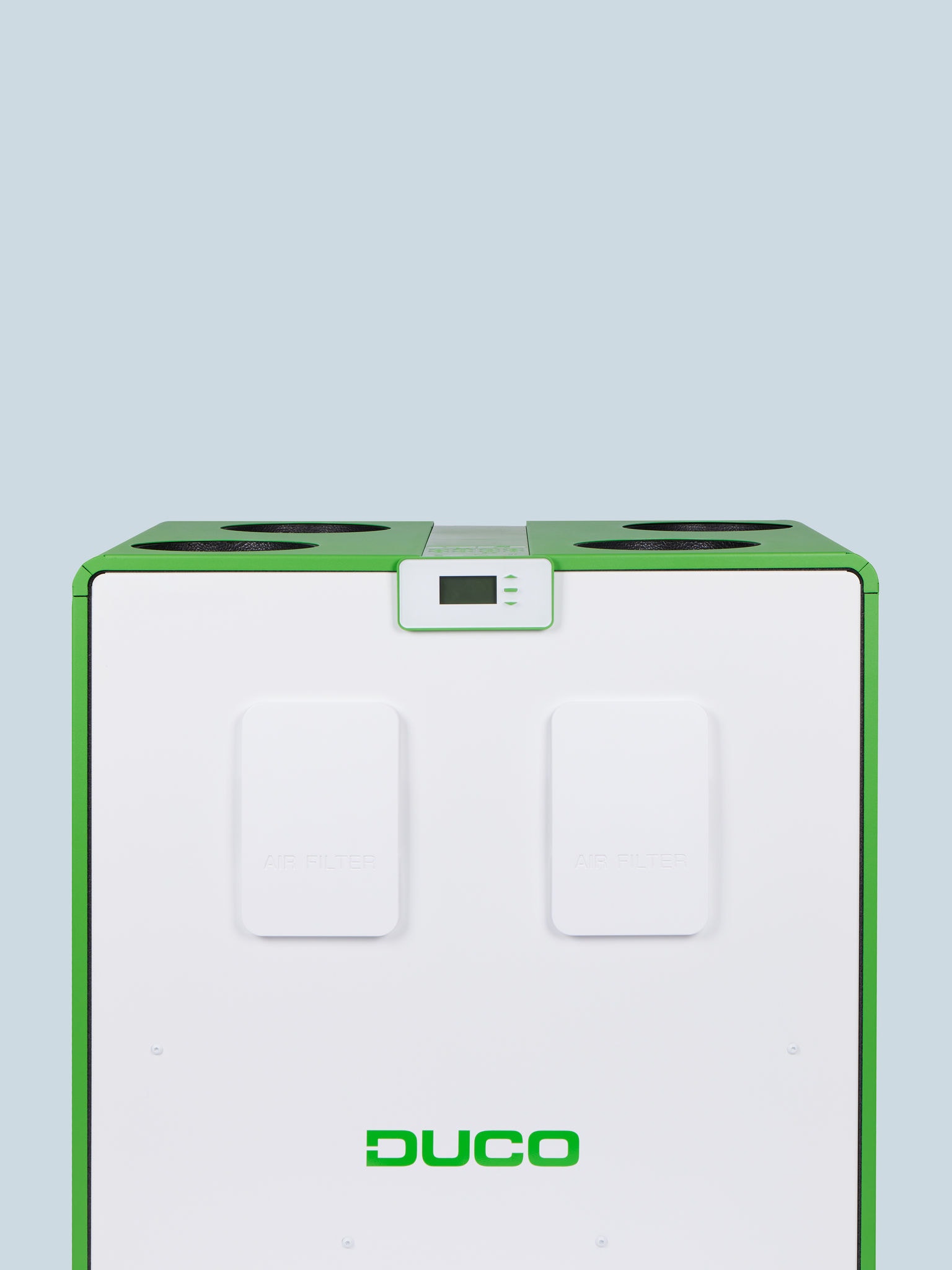
Create a healthy environment in your home by adding clean and fresh air with our centralised heat recovery ventilation systems
Our solutions for heating, cooling and hot water
Lorem ipsum dolor sit amet. Qui deleniti assumenda qui architecto debitis qui doloribus omnis ea dolores odit cum eius voluptas.
Air-to-water heat pumps
Air-to-water heat pumps are cost-efficient, renewable energy, all-round heating, cooling and domestic hot water systems. You can count on a versatile integration with existing and new heating emitters. Ideal for new homes, renovations and replacement of boilers.
Air-to-air heat pumps
Get year-round comfort at home during summer and winter with advanced, efficient heating and cooling technology. Adding a tank will give you domestic hot water too. Ideal for new homes, to accompany your boiler and to replace your old electric systems.
6 reasons to invest in a heat pump
Lorem ipsum dolor sit amet. Qui deleniti assumenda qui architecto debitis qui doloribus omnis ea dolores odit cum eius voluptas.
More information about heat pumps
Lorem ipsum dolor sit amet. Qui deleniti assumenda qui architecto debitis qui doloribus omnis ea dolores odit cum eius voluptas.
Yes, heat pumps can connect to either old or new radiators.
If you already have radiators in your home, high-temperature heat pumps or hybrid heat pumps (if you’re replacing a gas boiler) can easily connect to them and use existing piping without the need to replace the radiators or carrying out additional works.
Most heat pumps usually come with an indoor and an outdoor unit. Each unit produces sound when in operation, this sound is generally measured in dBA and these levels range from a scale of 0 dBA to 140 dBA.
When looking at sound levels you will also see specifications given for sound power level and sound pressure level.
Sound power level is the sound level measured directly at the source.
Sound pressure level is the sound level measured at a specified distance (usually 1.5 - 2 metres) from the source.
The indoor units of Daikin heat pumps generally produce a sound pressure level of about 30dBA, which is comparable to the sound of a person whispering.
Outdoor units, since they come in a bigger variety of sizes, range in sound pressure levels between 40dBA and 62 dBA, which are comparable to the sounds of birds a chirping and people having a conversation respectively.
The typical lifespan of a heat pump is generally between 15 and 20 years, though this depends on a number of factors. For example, maintenance. Although heat pumps are a low-maintenance solution, an annual check-up by your installer or service partner will help maximise its lifespan.
Across Europe, different countries have different regulations and incentives on national and regional level to support the purchase and installation of a heat pump.
As each will have their own schemes and eligibility criteria, we advice you to consult your chosen Daikin installer, or your government's website, for more information.
Heat pumps are not very demanding. We advise scheduling an annual maintenance appointment with your installer or service provider to make sure your pump keeps working as efficiently as possible. A typical service would include a number of standard checks, as well as a thorough cleaning of the unit and filters.
A Daikin heat pump installer will manage everything related to ordering, delivery and installation of your heat pump.
The simplest answer is, it depends. Installing a heat pump is more than just the placement of an indoor and an outdoor unit, therefore there is no definite timeframe when it comes to the amount of time it will take to install a heat pump as it will depend on a number of different factors such as:
- Type of home: The first thing that will be taken into account is the type of home a heat pump will be installed in. Is it a new-build or an existing home? With new-build homes, the planning needs to be taken into account with all other building currently taking place. With existing homes, things such as whether existing emitters will be used or will be replaced with new ones will play a part in the time needed.
- Type of heat pump: Since there is a variety of different heat pumps, each one also has its own time requirement for the installation.
- Additional works: Whether you are installing a heat pump in an existing or new-build home, there may be additional works that need to take place in order to ensure that you’re getting the most out of your new system. This could include the installation or replacement of emitters (such as radiators), optimising your insulation etc.
The price of installing a heat pump varies depending on the type of heat pump you choose and the country you live in.
Other factors that can affect the price are renovation or additional building works (such as insulation) that need to carried out, plus your installer. Different installers will have different prices according to their expertise and experience.
You can get advice on which type of heat pump is best suited to your home from a Daikin installer, staff at the manufacturer’s flagship store, or consult our residential solutions navigator.
Our solutions for optimising your indoor air quality
Lorem ipsum dolor sit amet. Qui deleniti assumenda qui architecto debitis qui doloribus omnis ea dolores odit cum eius voluptas.
Air purifiers
Clean and refresh the air, creating a healthy home for you and your family with our range of innovative air purifiers
Ventilation systems
Create a healthy environment in your home by adding clean and fresh air with our centralised heat recovery ventilation systems
The importance of indoor air quality
Lorem ipsum dolor sit amet. Qui deleniti assumenda qui architecto debitis qui doloribus omnis ea dolores odit cum eius voluptas.






More information about air purifiers and ventilation systems
Lorem ipsum dolor sit amet. Qui deleniti assumenda qui architecto debitis qui doloribus omnis ea dolores odit cum eius voluptas.
What is the function of an air purifier?
An air purifier can remove pollutants, allergens, and other contaminants from the air. Using a combination of technologies such as electrostatic HEPA filters, activated carbon filters and ionisers, air purifiers help to capture and neutralise pollutants making the air you breathe considerably cleaner.
The 5 benefits of using an air purifier
There are many advantages of having an air purifier at home or in the office, including:
- Improving indoor air quality by removing pollutants such as dust, pollen, pet dander, mould spores and smoke from the air.
- Reducing allergies and asthma symptoms by removing allergens from the air.
- Reducing odours such as smoke, cooking odours and chemicals by using activated carbon filters and other purifying technologies.
- Improving sleep is one of the key benefits of an air purifier. It creates a cleaner and more comfortable sleeping environment by removing pollutants and allergens from the air.
- Creating a more comfortable and enjoyable living or working space by removing pollutants and allergens from the air.
There are seven signs that your home or office could benefit from an air purifier:
- Symptoms such as headaches, sneezing or coughing can be related to poor air quality
- A build-up of dust, mould or other visible pollutants around your home
- Dust particles from a recently renovated home or office or from new furniture
- Unpleasant odours such as smoke, cooking or cleaning chemicals or the smell of an open fire
- A need to relieve allergies or asthma
- High levels of air pollution from a high-density urban environment
- A need to remove pet dander and other allergens from the air
Daikin’s air purifiers have high-efficiency electrostatic HEPA filters, which are designed to remove 99.97% of particles as small as 0.3 microns from the air, including common allergens such as dust, pollen, and pet dander.
Removing these small particles and allergens will improve air quality and reduce the symptoms of allergies and asthma.
Air purifiers can filter out the smell of smoke and harmful cigarette particles by using a combination of technologies such as high-efficiency electrostatic HEPA filters and activated carbon filters.
High-efficiency particulate absorbing filters are designed to remove 99.97% of particles as small as 0.3 microns from the air, including smoke, tar and nicotine. Air purifiers with odour filters remove volatile organic compounds (VOCs) such as smoke odours and chemicals from the air by absorbing and neutralising them.
If you’re choosing an air purifier for health reasons and to remove smoke, look for a HEPA filter and CADR (Clean Air Delivery Rate) rating. The higher the rating, the more efficient the air purifier is at removing smoke, dust and pollen from the air.
HEPA filtration is a high-efficiency particulate air filter system that is designed to catch fine particles of dust. Research shows they remove 99% of particles between 0.1μm and 2.5μm in size.
How does the HEPA filter work?
The Daikin electrostatic HEPA filter collects dust efficiently using electrostatic forces, so it’s not prone to clogging.
What are the advantages of a HEPA air purifier?
An air purifier with HEPA filtration can purify a larger amount of air.
Unlike some filters that use fine mesh, the HEPA will not clog up with dust, but can collect smaller particles.
The benefits include improved air quality as the HEPA air purifier removes a wide range of pollutants and allergens and can reduce the symptoms of allergies and asthma.
HEPA filters typically last longer than other types of filters, making them a cost-effective option in the long run. The Daikin filter has a lifetime of 10 years.
Kućni ventilacijski sustav poboljšava kvalitetu zraka tako što unosi svjež vanjski zrak i uklanja ustajali zrak iz unutrašnjosti. Upotrebljava izmjenjivač topline za jamčenje stabilnih razina temperature i vlage, čime snižava troškove grijanja. Također, upotrebljava filtre za pomoć pri uklanjanju zagađivača i alergena, čime čisti zrak i čini ga zdravijim za disanje.
Sustav DUCO Centralized HRV poboljšava kvalitetu unutarnjeg zraka tako što unosi svježi vanjski zrak i uklanja ustajali zrak iz unutrašnjosti. Čini to upotrebom izmjenjivača topline, koji osigurava znatno stabilniju temperaturu u unutrašnjosti.
Ventilacijski sustav sastoji se od dvije glavne komponente:
1) Izmjenjivač topline: Izmjenjivač topline uređaj je koji prenosi toplinu iz ustajalog unutarnjeg zraka u svježi vanjski zrak. Time se održava stabilnost unutarnje temperature i snižavaju troškovi grijanja.
2) Filtri: Također, sustav sadrži filtre koji pomažu ukloniti zagađivače i alergene iz zraka. Ti filtri love i neutraliziraju zagađivače u zraku te čine zrak u tvojem domu ili uredu čišćim i zdravijim za disanje.
Osim toga, sustav DUCO Centralized HRV automatski prilagođava brzinu ventilatora na temelju kvalitete zraka. Dostupni su i upravljač te funkcija brojača vremena, koji rade u različitim prostorijama u kojima se sustav upotrebljava. Time ti se omogućava postavljanje rada sustava na određeno razdoblje.
Redovitim inspekcijama sustava DUCO Centralized HRV osigurat ćeš njegovu pouzdanost i dugovječnost. One mogu uključivati čišćenje otvora DucoVents, zamjenu filtara i provjeru postojanja propuštanja ili drugih problema.
Osim toga, važno je pobrinuti se za to da opskrbni i ispušni otvori ne budu zaklonjeni preprekama te redovito provjeravati indikator za zamjenu filtara kako bi se osiguralo da filtri nisu začepljeni i da se zamijene.
Protok zraka i temperatura u raznim prostorijama tvojeg doma ili ureda također se moraju uzeti u obzir i redovito provjeravati kako bi se osiguralo da sustav ravnomjerno raspodjeljuje svjež zrak u cijeloj zgradi.
Ventilacijski sustav pomaže poboljšati kvalitetu unutarnjeg zraka na brojne korisne načine.
Osim toga što unosi svježi vanjski zrak, također uklanja ustajali unutarnji zrak. Taj se postupak naziva i „izmjena zraka”. Njime se uklanjaju i razrjeđuju zagađenje, alergeni i druge štetne tvari u zraku.
1) Otvori: Ventilacijski sustav upotrebljava kombinaciju opskrbnih otvora DucoVents i ispušnih otvora DucoVents za cirkulaciju svježeg zraka u zgradi. Zatim taj svježi zrak distribuira s pomoću HEPA filtara. Oni filtriraju i stoga neutraliziraju unutarnji zrak te osiguravaju zdraviji i čišći zrak za udisanje.
2) Blaži simptomi alergija i astme: Ventilacijski sustav pomaže ublažiti simptome alergija i astme uklanjanjem čestica iz zraka.
3) Smanjenje mirisa: Svakodnevnim aktivnostima, kao što je kuhanje, nastaju neželjeni mirisi. Ventilacijski sustav pomaže ukloniti te neugodne mirise i čini tvoje životno okruženje ugodnijim.
4) Bolji komfor: Ventilacijski sustav može pomoći stvoriti komforniji i ugodniji prostor za život i rad. Uklanja zagađivače, neugodne mirise i alergene, čime ti stvara čišći i sigurniji prostor.
Loša ventilacija utječe kako na tvoj dom tako i na tvoje zdravlje. U loše ventiliranim domovima može doći do stvaranja vlage, koja zauzvrat uzrokuje vlagu i pljesnive mirise u gipsanim zidovima i drugim građevinskim materijalima. Stvaranje vlage također može dovesti do strukturalnih promjena i truleži, što zauzvrat može privući štetočine. Dakle, kao posljedica toga može nastupiti i drugi problem, a to je da se zgrade previše zagrijavaju ili hlade, što dovodi do povećane potrošnje energije i, u skladu s time, troškova. Nastanak vlage, bakterija i loše kvalitete zraka može dovesti i do respiratornih problema, alergija i osjećaja umora. Ta su dva problema povezana, a poboljšanjem ventilacije stvara se pomoć za njihovo otklanjanje.
Rješenja za poboljšanje kvalitete zraka
Postoje brojna rješenja za eliminaciju loše kvalitete zraka. Pomoći će prirodna ventilacijska rješenja, kao što su otvaranje prozora te izbjegavanje paljenja svijeća i kamina. Međutim, najučinkovitije je ugraditi mehanički ventilacijski sustav, koji je učinkovito i održivo rješenje za poboljšanje kvalitete zraka. Ako već imaš ugrađen takav sustav, zamjena i čišćenje filtra mogu ti donijeti goleme prednosti.
Postoje četiri glavna načina kako učinkoviti ventilacijski sustav može sniziti životne i kućanske troškove. Oni su sljedeći:
1) Energetske uštede: Sustav HRV (koji je najbolji način za uštedu troškova) pomaže pri uštedi energije. Prenosi toplinu iz izlazećeg zraka u svježi zrak tako da održi stabilnost temperature. Time se smanjuje potreba za grijanjem, a time i štede energetski troškovi.
2) Manja opterećenja grijanja i hlađenja: Izmjenom vanjskog zraka i uklanjanjem ustajalog unutarnjeg zraka ventilacijski sustav pomaže smanjiti opterećenja grijanja i hlađenja HVAC sustava. Zauzvrat, time se može produljiti vijek trajanja HVAC opreme. Naposljetku, time se štede troškovi održavanja.
3) Blaže alergije i astma: Sustav DUCO Centralized HRV uvelike pomaže ublažiti simptome alergija i astme uklanjanjem štetnih čestica iz zraka.
4) Niski troškovi održavanja: Sustav Duco odlikuje se niskim troškovima održavanja te je izrađen od visokokvalitetnih materijala i napredne tehnologije, što ga čini robusnim i dugovječnim.
Profesionalni instalater ventilacijskih sustava pregledat će zgradu i procijeniti troškove. Zatim će u obzir trebati uzeti veličinu zgrade i broj stanovnika za najsigurniji i najučinkovitiji sustav te postupak instalacije ventilacije. Konstruirat će prikladan ventilacijski sustav, uzimajući u obzir građevinske propise i nadogradnje potrebne za starije zgrade prije ugradnje kanala za Ducoflex. Sustavu se mora moći pristupiti kako bi se mogao redovito provjeravati i ispitivati u svrhu održavanja i obnove.
Za ugradnju ventilacijskog sustava potrebno je nekoliko koraka:
1) Procjena: Stručnjak procjenjuje zgradu kako bi se odredila vrsta ventilacijskog sustava koji je najbolje prikladan za određeni prostor. Pri tome se u obzir uzimaju faktoru kao što su veličina zgrade, broj stanovnika i razina zagađenosti zraka u dotičnom području.
2) Dizajn: Sljedeći je korak osmišljavanje ventilacijskog sustava. To uključuje raspored kanala za Ducoflex, lokaciju opskrbnih i ispušnih otvora te veličinu i vrstu potrebne opreme.
3) Ugradnja: Ugradnja ventilacijskog sustava u pravilu započinje kanalima za Ducoflex. Oni se zatim povezuju s opskrbnim i ispušnim otvorima, koji se u pravilu nalaze na zidovima ili u stropovima zgrade.
4) Ispitivanje: Po završetku ugradnje stručnjak će ispitati sustav kako bi se osiguralo da propisno funkcionira te se pobrinuti za to da je protok zraka uravnotežen i da je sustav u skladu sa zahtjevima građevinskih propisa.
5) Održavanje: Svaki je ventilacijski sustav potrebno redovito provjeravati, zbog čega je važno osigurati da tvoj instalater provodi redovite inspekcijske servise.
Receive our residential solutions brochure
Learn more about the solutions for your home with our extensive guide, sent to you via email within seconds.